Buying a home is one of the most significant financial decisions a family can make.
But the strongest real estate decisions are rarely about finding the most impressive
property today. They are about choosing a home that continues to make sense for years
into the future.
Inspired by the educational perspective of
The Long Time Family Home Advisor
This HomePro guide explores homeownership from a long-term perspective, including
location, affordability, construction quality, changing family needs, ownership costs,
and the lasting value a property can provide.
1. Start With Location, Not Just the House
A beautiful property can be renovated, expanded, or modernized. Its location cannot
be changed.
When evaluating a home, buyers should consider the surrounding neighborhood as
carefully as the building itself. Accessibility, nearby schools, transportation,
employment centers, shopping, healthcare, recreation, and future development can
influence both quality of life and the property’s long-term desirability.
In many situations, a modest property in a strong location can represent a better
long-term decision than a highly upgraded home in an area with weaker fundamentals.
2. Think Beyond Today’s Needs
A home should work for the life you have today, but buyers should also consider what
their lives might look like 5, 10, or even 20 years from now.
Will additional bedrooms eventually be necessary? Could an office become another
bedroom? Is the layout practical as children grow? Could aging parents or relatives
eventually stay in the property?
Flexible homes can provide considerable long-term value because they allow owners
to adapt their living environment as circumstances change.
3. Understand the True Cost of Ownership
The purchase price is only one component of homeownership.
Property taxes, homeowners insurance, mortgage interest, utilities, maintenance,
association fees, and future repairs can substantially affect the actual cost of
owning a property.
Buyers should therefore evaluate what they can comfortably maintain rather than
simply determining the maximum amount they can qualify to borrow.
Maintaining financial flexibility after purchasing a home can be just as important
as obtaining the home itself.
4. Prioritize Quality Over Trends
Interior design trends can change quickly. Construction quality, functionality, and
good maintenance tend to have much greater staying power.
Before being persuaded by attractive finishes, buyers should examine the fundamentals
of a property, including its structure, roof, plumbing, electrical systems, HVAC
equipment, windows, drainage, and overall condition.
Cosmetic features can usually be replaced or updated later. Major structural and
mechanical problems can become expensive obligations.
A professional property inspection can therefore be one of the most valuable steps
in the buying process.
5. Look at a Home as Both a Home and an Asset
A primary residence should first provide security, comfort, and a place to build
memories. At the same time, real estate can become an important component of a
family’s long-term financial position.
Mortgage principal reduction can gradually build equity, while property appreciation
may increase that equity further. Property values and investment returns are never
guaranteed, which makes the original purchasing decision especially important.
The objective should not simply be to buy real estate. It should be to purchase a
property that makes both financial and practical sense.
6. Avoid Making an Emotional Decision Alone
Homes naturally create emotional reactions. A spectacular kitchen, backyard, view,
or neighborhood can quickly make buyers feel that they have found the perfect property.
That excitement is part of buying a home, but it should be balanced with objective
analysis.
Before submitting an offer, consider comparable properties, inspection findings,
neighborhood conditions, monthly ownership expenses, and your long-term plans.
The strongest purchase is usually one where both the emotional and financial sides
of the decision make sense.
7. Surround Yourself With the Right Professionals
Real estate transactions involve considerably more than finding a property.
An experienced real estate professional, lender, property inspector, and other
qualified advisers can help buyers understand the different components of a
transaction and identify issues that might otherwise be overlooked.
Good professional advice should help buyers make more informed decisions rather
than pressure them into making faster ones.
8. Think About the Next Generation
For many families, a home eventually becomes more than a place to live.
It can become part of the family’s financial foundation, a source of equity, and
sometimes an asset eventually transferred to another generation.
That makes education particularly important. Teaching children about property
ownership, mortgages, maintenance, equity, and responsible financial decisions
can make the knowledge surrounding the property almost as valuable as the property
itself.
The HomePro Perspective
At HomePro, we believe good real estate decisions begin with information.
Whether you’re buying your first property, searching for a larger family home,
renting, investing, or preparing for the future, the objective should remain the
same: make a decision that works today without losing sight of tomorrow.
A great home isn’t necessarily the biggest or most expensive property available.
It’s the property that fits your lifestyle, financial circumstances, and long-term
goals.
Source & Inspiration
The Long Time Family Home Advisor – YouTube Channel
This HomePro article is independently written and inspired by the educational themes
presented by the referenced creator. It is not a transcript or reproduction of any
individual video.


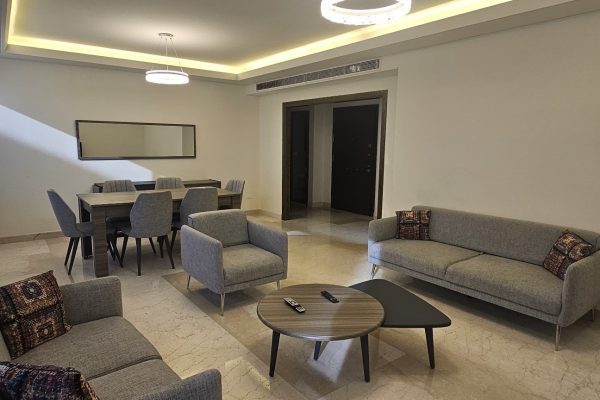 Furnished Apartment for rent in VerdunKnio Street, Beirut, NA, Lebanon$120 per night For Rent
 Cozy 2-BR Apt in Achrafieh with 24/7 Power – WiFiAlfred Naahach Street, Achrafieh, NA, Lebanon$140 per night For Rent
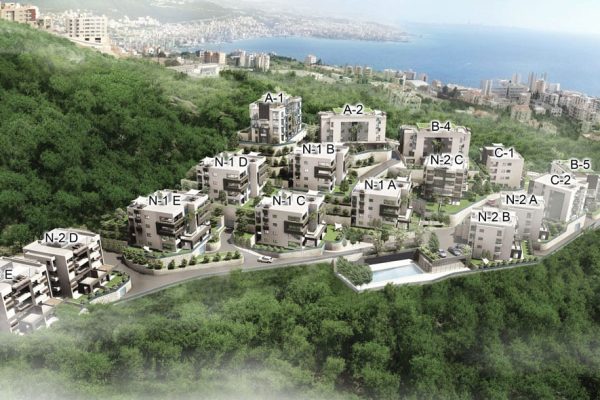 Zouk 471Zouk Mikael, Zouk Mikael, NA, Lebanon$227,535 For Sale
 Cozy 3-BR Apt in Achrafieh with 24/7 Power – WiFiAlfred Naahach Street, Achrafieh, NA, Lebanon$160 per night For Rent
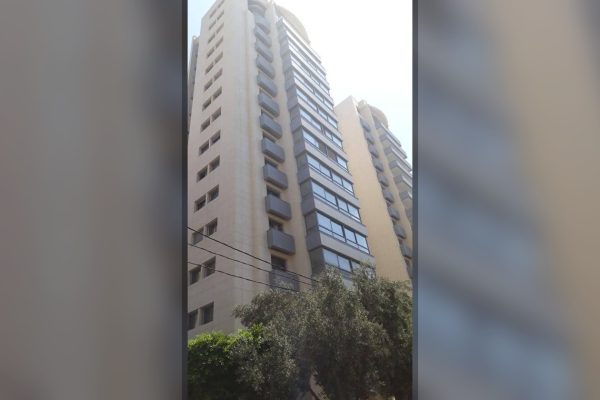 Mousaitbeh 1622Facing Mazen’s Pharmacy, Beirut, NA, Lebanon$625,000 For Sale
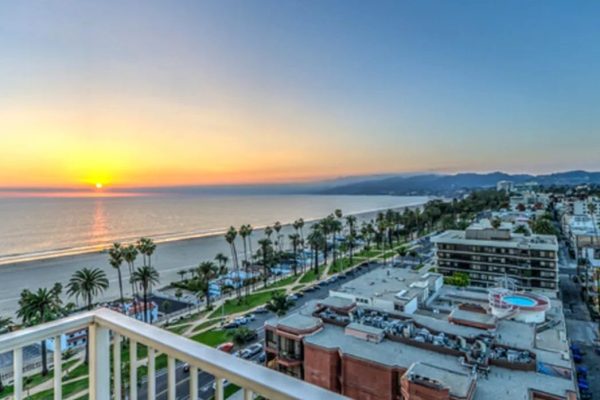 4105 Pacific Ave, Apt 1, Marina Del Rey, CA 902924105 Pacific Ave, Apt 1, Marina Del Rey, CA 90292, Marina Del Rey, 90292, United States$8,500 per month For Rent